Scheduling a Pay Change
Navigating to the Schedule Changes Form
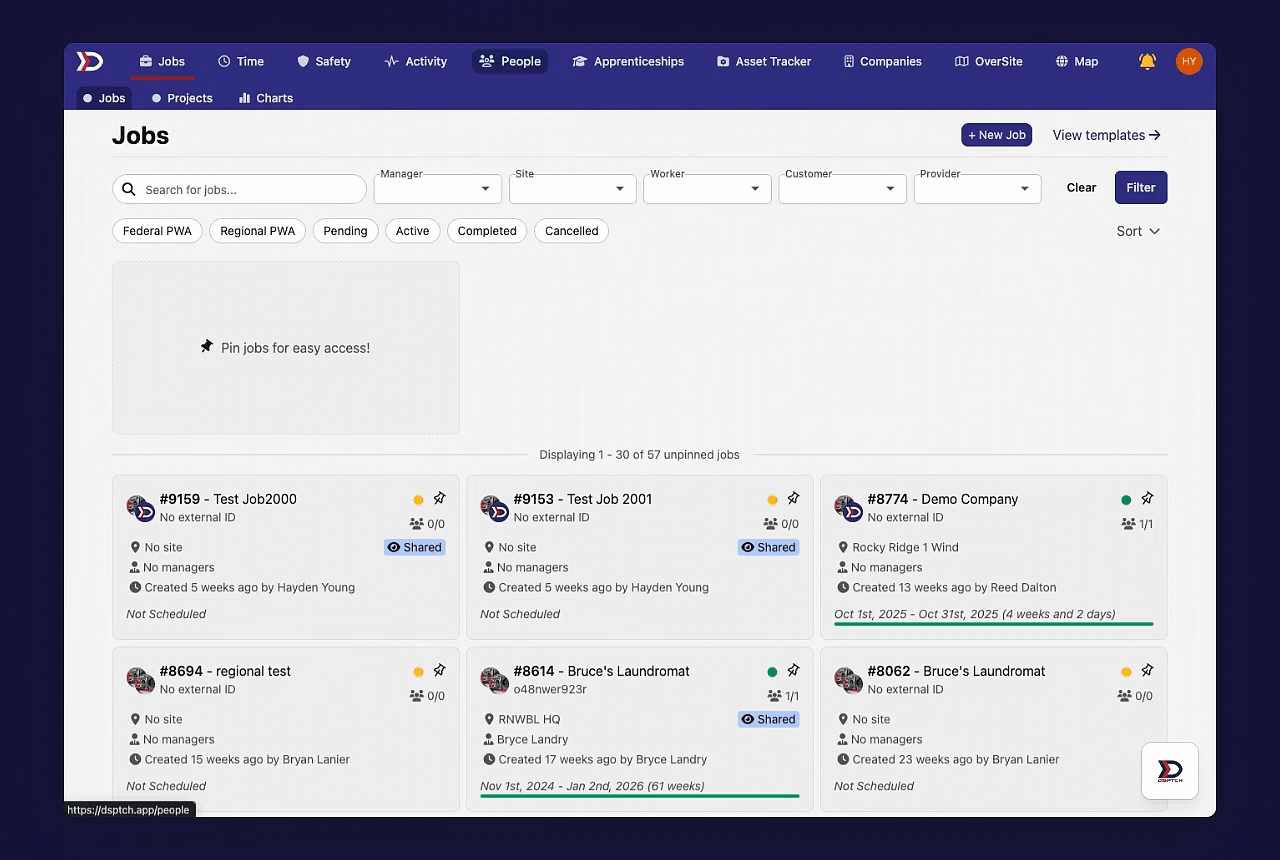
To navigate to the "Schedule Changes" form, start by clicking on the "People" tab from the primary navigation bar at the top of the page. Then, either use the search bar or scroll through the list of users to find the relevant user who requires a pay change. Click on the user's profile.
Once the user's profile is open, scroll down the "Employment Details" section and click the three dots icon at the top right of the section. From the dropdown, click the "Schedule Pay Change" button.
This will open the "Schedule Changes" form. See video below for a demonstration:
Scheduling a Pay Change
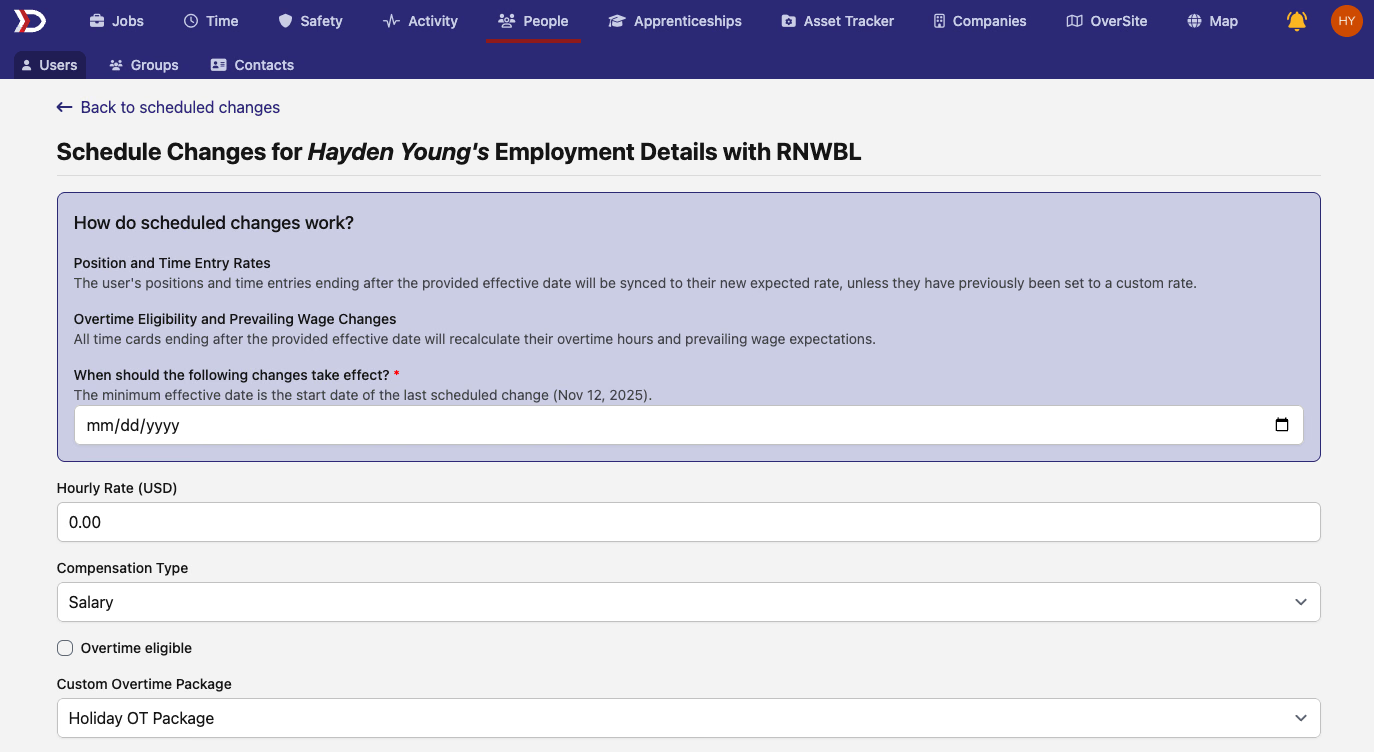
There are several fields included in the "Schedule Changes" form (pictured below):
-
Effective Date (Required):
-
The date (in MM/DD/YYYY format) that the pay change will take effect (i.e. update the default hourly rate for all active positions the user is assigned to).
-
Hourly Rate (USD) (Required):
-
The new rate that will be used as the user's default hourly rate.
-
Compensation Type (Required):
-
Select if the user is an hourly or salaried employee.
-
Overtime Eligible Toggle (Required):
-
Toggle on if the user is eligible for overtime pay.
-
Custom Overtime Package (Optional):
-
Select an overtime package if applicable.
See the video below for a demonstration of filling out the "Schedule Changes" form:
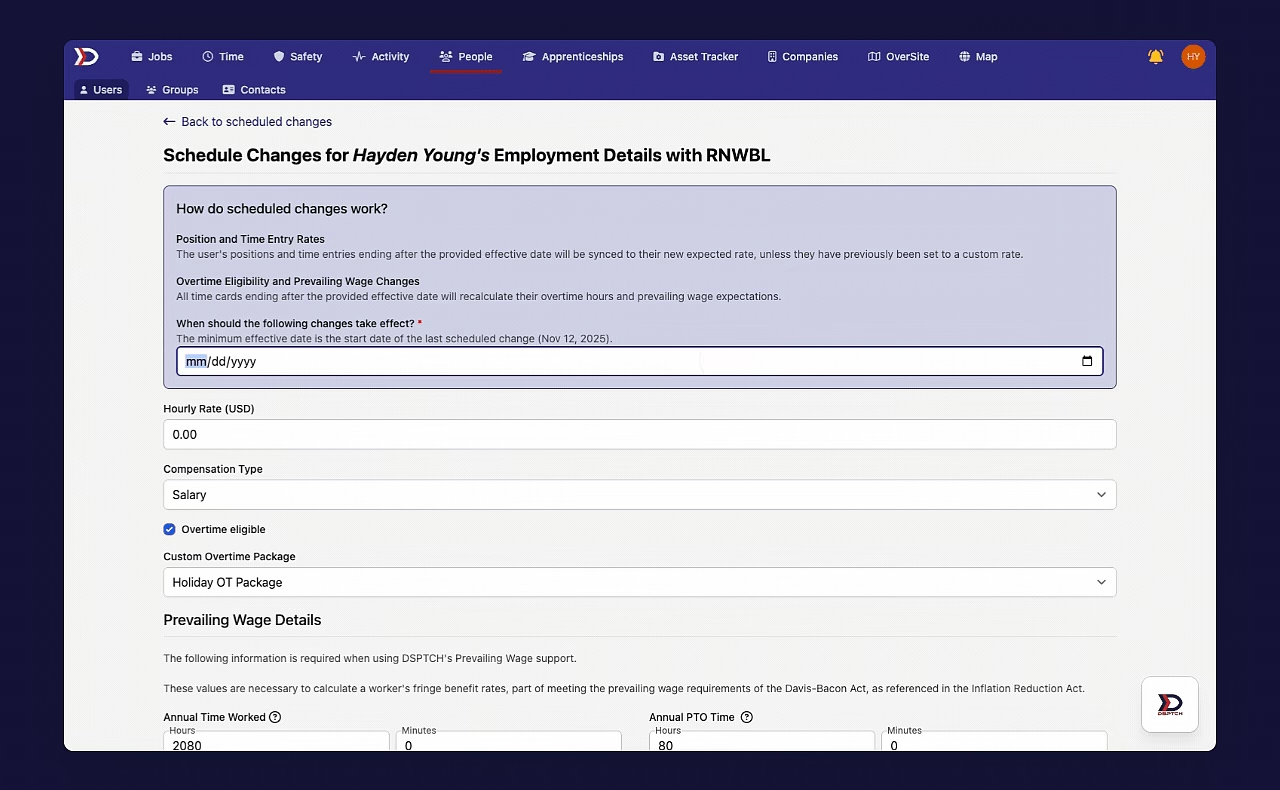
For a deep dive on the "Prevailing Wage Details" section of the "Schedule Changes" form, please read our help document here.
How a Pay Change Affects Time Entries
Once a scheduled pay change's effective date is reached, the pay change will update the user's Default Rate.
In practice, this means that for all positions the user is assigned to (where there is no custom PWA-ineligible hourly rate set), the user's PWA-ineligible rate will automatically update to reflect the new default rate.
After the scheduled pay change's effective date, the user's new default rate will flow through to time entries for all positions without a custom PWA-ineligible hourly rate set.
For broader context on how the new rate fits into the overall pecking order, see Hourly Rate Hierarchy.
Example Scenarios
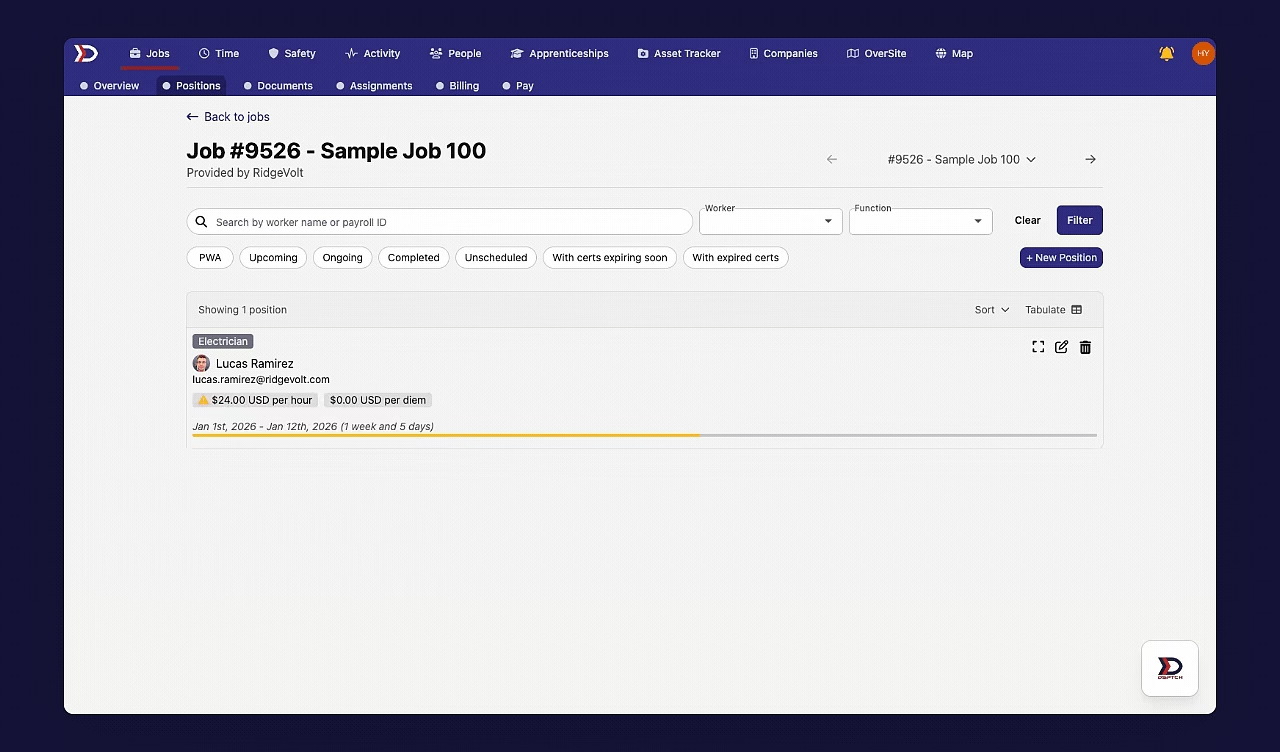
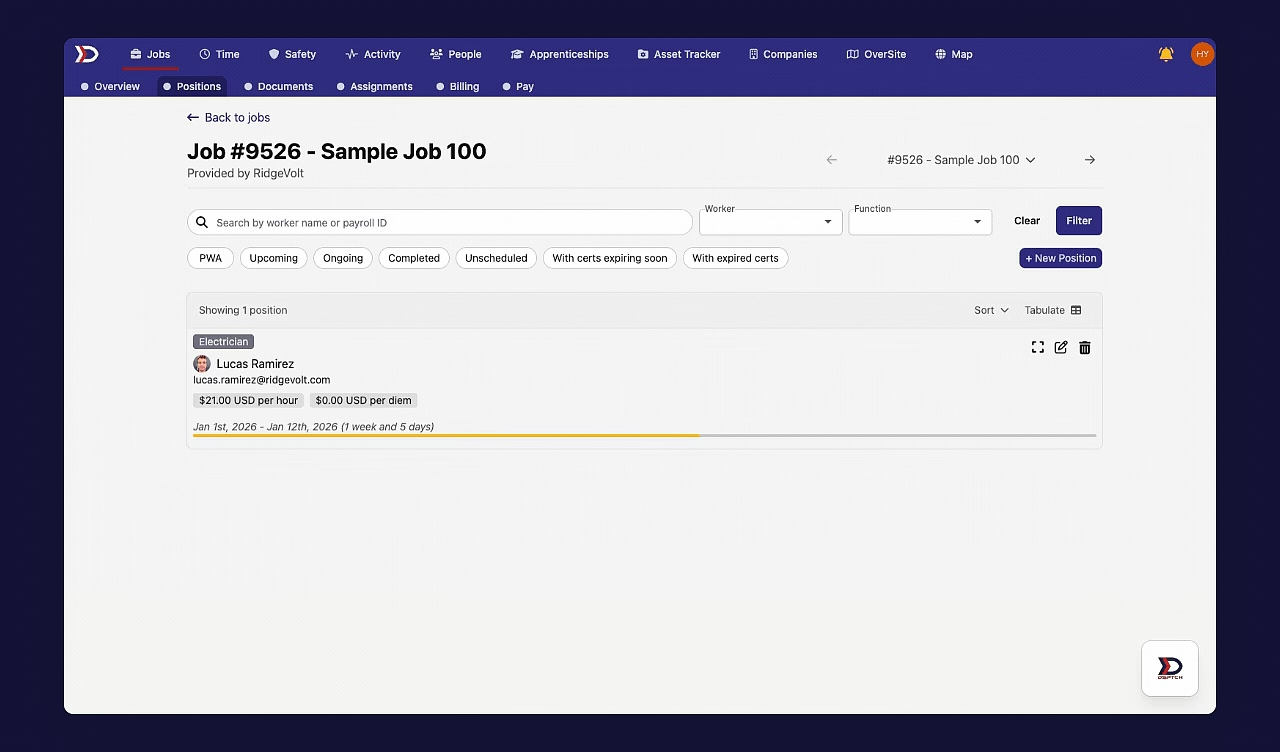
Example Scenario (1): New Default User Rate from Pay Change Flows Through to Time Entries
Let's assume there is a user with an initial default rate of $21/hr who is assigned to a position with no custom PWA-ineligible hourly rate. This user's manager schedules a pay change of $22/hr effective on 1/7/2026.
On 1/7/2026, the user's PWA-ineligible hourly rate will update from $21/hr to $22/hr, and all time entries associated with that position starting from 1/7/2026 (and onward) will be compensated at the $22/hr rate.
See the video below for an example:
Example Scenario (2): Custom PWA-Ineligible Hourly Rate Overrides New Default User Rate from Pay Change and Flows Through to Time Entries
Let's assume there is a user with an initial default rate of $21/hr who is assigned to a position with a custom PWA-ineligible hourly rate of $24/hr. This user's manager schedules a pay change of $22/hr effective on 1/7/2026.
The user's PWA-ineligible hourly rate will remain at $24/hr because the custom PWA-ineligible hourly rate still overrides the user's new default rate. All time entries associated with that position will continue to be compensated at the $24/hr rate.
See the video below for an example: